

Essential details
MOQ:1
Shipping:Ocean freight, Land freight
Product Introduction
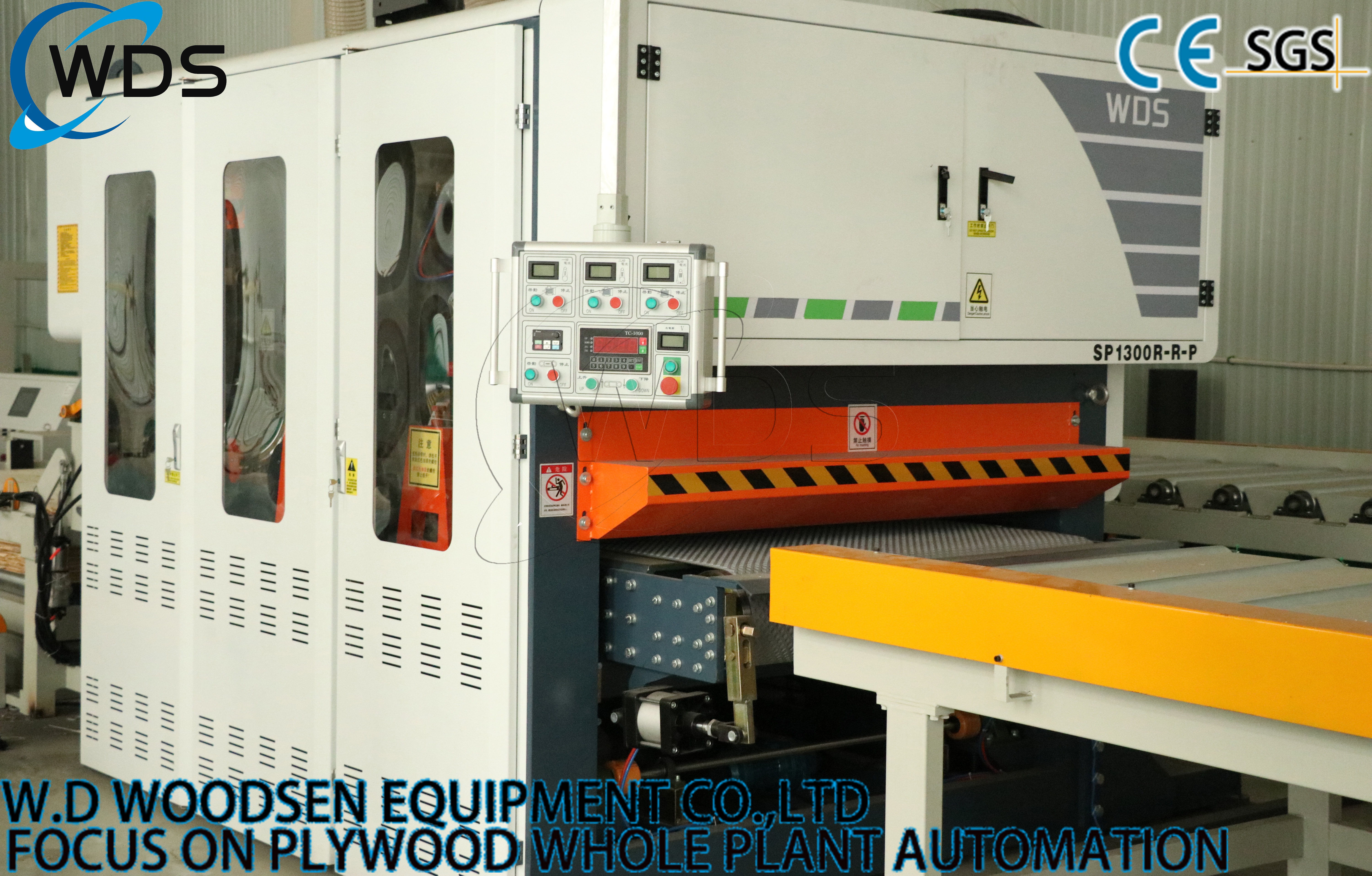
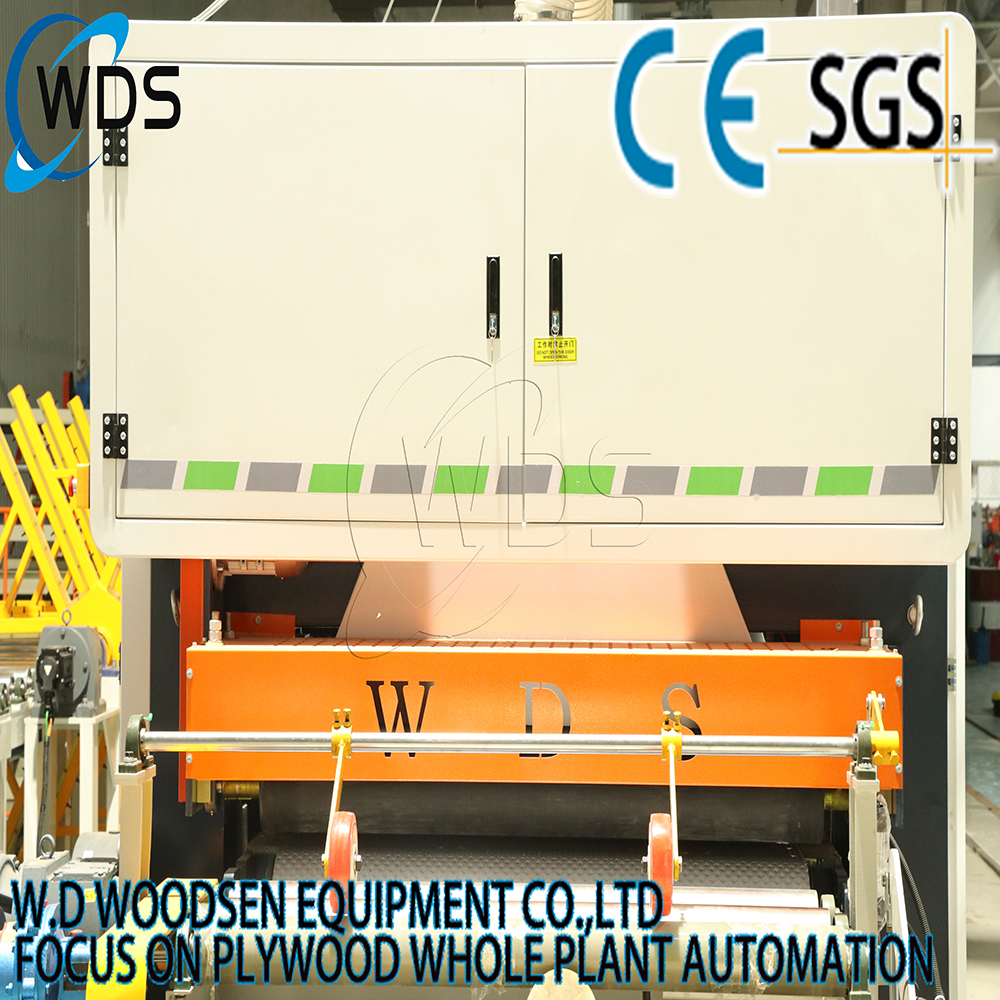
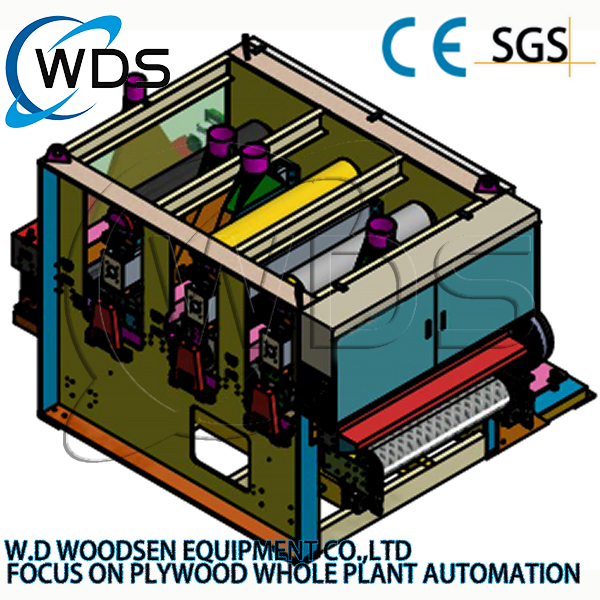
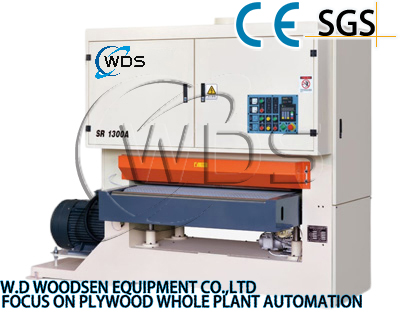
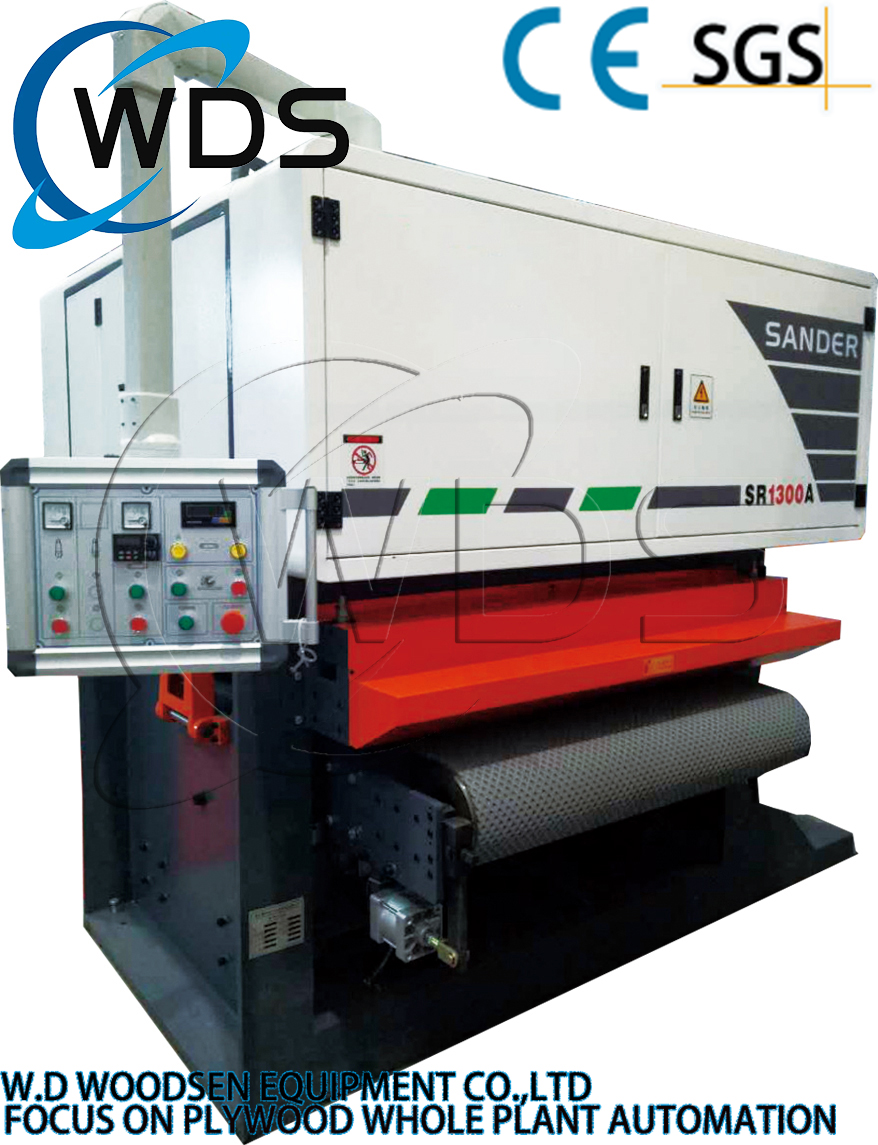
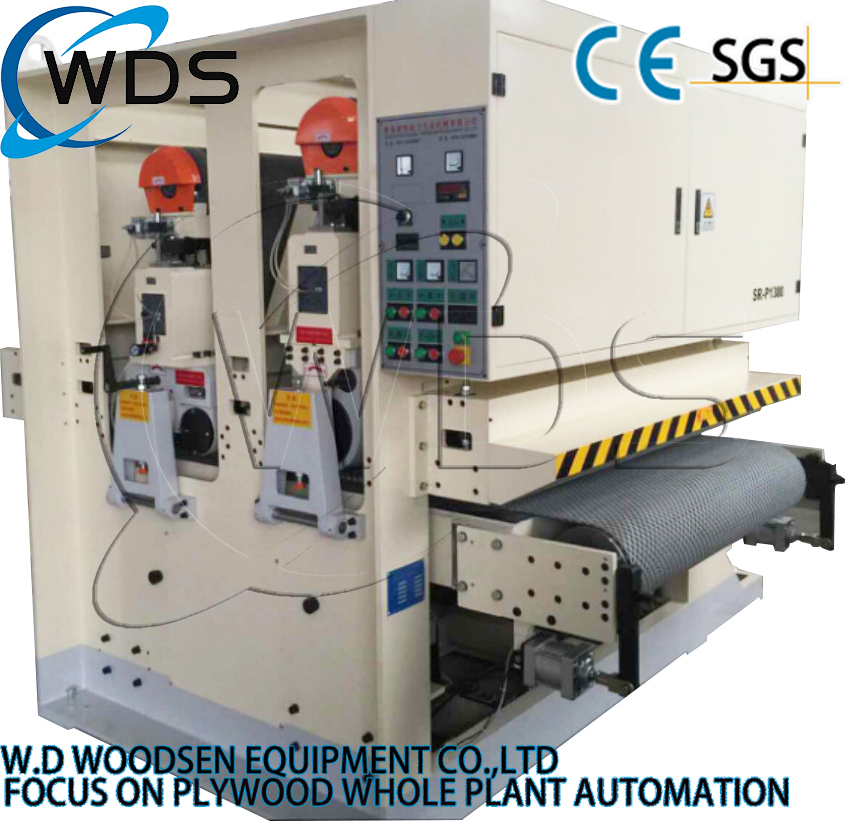
The sanding part is the main working part of this Finishing Sander, and there are several forms according to the different processing materials; the sanding machine is mainly composed of a gauge roller, a driven roller, a tension roller, a non-woven roller, and a gauge roller driven by a main drive motor and a V-belt. Drive the abrasive belt to rotate at high speed. When the abrasive belt is working, the belt is stretched by the tension roller. When the Finishing Sander Light Duty stops, the tension force is removed. The tension roller is supported on the piston rod of the cylinder for lifting movement.
WOODSEN’S Finishing Sander Duty’s sanding pad plays the role of increasing the sanding contact surface during work. When it is working, the sanding pad is pressed against the abrasive belt, and the inclined iron on the control shaft is axially displaced, and the inclined surface is also connected to the pressing plate of the sanding pad to press down. , to pressurize the pad to generate cutting pressure on the surface of the wood board. The sanding pressure of the first calibrating roller is realized by using a worm wheel and a worm to drive the bearing, and it matches the sanding amount of the second calibrating roller.
WOODSEN’S Finishing Sander Duty’s sanding pad plays the role of increasing the sanding contact surface during work. When it is working, the sanding pad is pressed against the abrasive belt, and the inclined iron on the control shaft is axially displaced, and the inclined surface is also connected to the pressing plate of the sanding pad to press down. , to pressurize the pad to generate cutting pressure on the surface of the wood board. The sanding pressure of the first calibrating roller is realized by using a worm wheel and a worm to drive the bearing, and it matches the sanding amount of the second calibrating roller.

